About Us

Currently, botanical gardens are spaces that maintain specimens and collections of various living plants, with the purpose of conducting research to conserve endangered species, serving as living centers of education, and making the essence of the floral wealth of a region or country accessible to people. They are also places of recreation and enjoyment.

The Quito Botanical Garden has been built over the years, guided by the vision of our beloved Gi Neusttater and all those of us who have worked tirelessly throughout these years.

Carolina Jijón

Director, Fundación Botánica de los Andes | JBQ

Mission

Carry out direct and indirect actions aimed at the knowledge, protection and conservation of the Ecuadorian plant resource especially the Andean flora.

Vision

The Botanical Garden of Quito manages its efforts with dynamism to become a leading, efficient and recognized organization in managing the plant heritage of the Ecuadorian Andes.

By 2020 it will have become a center for research, conservation and exhibition of native regional flora, particularly of endangered species, as well as an educational center on these topics. Both researchers, technicians and students will have at the JBQ a place of study and research which will help to enrich and understand the cultural and natural heritage, thus contributing to its recovery.

Recognitions And Awards

The great performance of the Quito Botanical Garden has been recognized by several awards and mentions both from the local and the international community. Get to know them.
Mención Marieta de Veintimilla
Revista Gardenista
The Guardian

Projects

The Quito Botanical Garden has share, educate and amaze the public developing great and important scientific and cultural projects. Get to know some of them.

Publications

EDUCATIONAL PRODUCTS
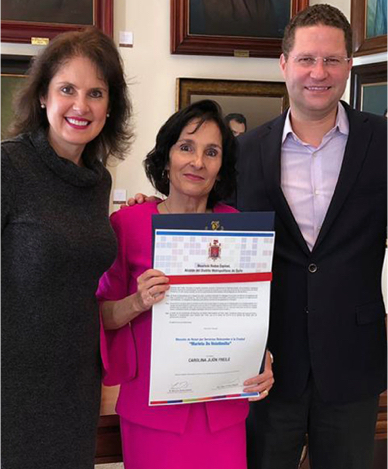
Marieta de Veintimilla Mention

The management of the Quito Botanical Garden was recognized with the ”Marieta de Veintimilla” Mention. On April 22, 2019 the Municipality of Quito presented the “Marieta de Veintimilla Honorable Mention to four outstanding figures in the management of the country´s environmental and tourism sphere, including Carolina Jijón, Director of the Quito Botanical Garden. In the Protocol Rooms, Mayor Mauricio Rodas presented her with recognition for relevant services to the city emphasizing her contribution to preservation of the natural resources of the Metropolitan District of Quito.

According to the Municipality of Quito News Agency, the honorable mention is due to the work developed by Carolina Jijón to support tourism in the city and for managing the Botanical Garden, “recognized as one of the 10 best botanical gardens in the world”. Likewise, for developing a “Forest of Lights”, the first nighttime attraction of this type in Ecuador.

Gardenista magazine

The Quito Botanical Garden has been categorized by the editors and contributors of the Gardenista Magazine as one of the 100 best botanical gardens to visit in the world. In the article published on January 16, 2019 this New York web magazine recognized by the TIME magazine places the JBQ in 11th place in a ranking that includes a large number of botanical gardens worldwide, including institutions world-renowned sites such as Royal Botanic Gardens in Kew, New York Botanical Gardens, Longwood Gardes and other world-renowned green giants.

The news published by Michelle Slatalla describes our continent as a paradise with thousands of native species of orchids, of which the JBQ maintains a collection of more than twelve hundred species; the collections of other plat groups such as ferns, bromeliads and fuchsias is also mentioned. Don´t miss the opportunity to come visit us and learn more about the plant wealth, increasingly recognized internationally.

For more information, go to: 100 Gardens to Visit Before You Die

The Guardian

The Guardian (2018), in its article “10 great botanical gardens around the world: advice from readers”, Peter Myers includes the Quito Botanical Garden in a list of the ten botanical gardens in the world selected for their colorful, wildlife, aromas, spectacular views and excellent coffees.

Read the complete article at: 10 great botanical gardens around the world: readers’ tips

Wax Palma Project

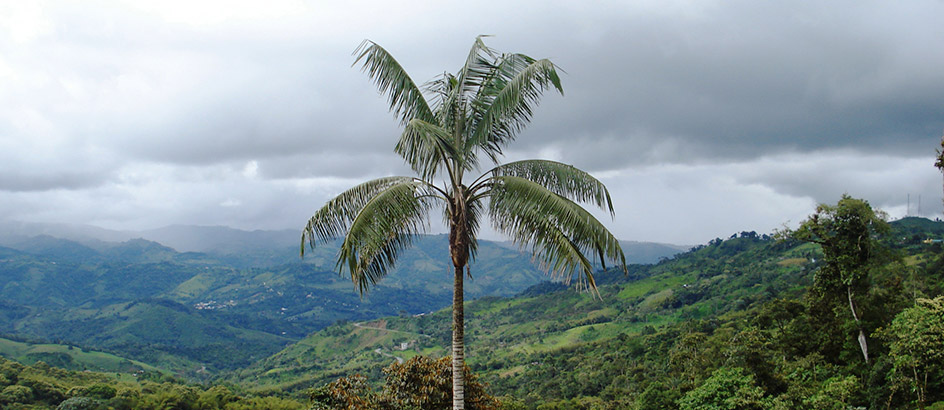
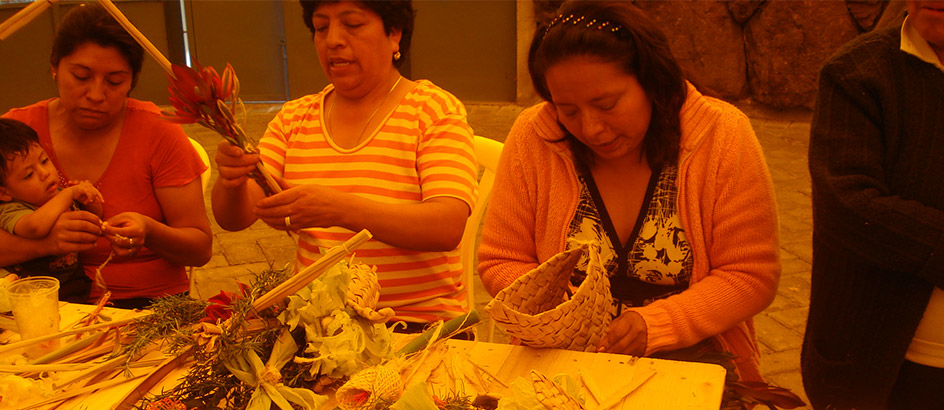
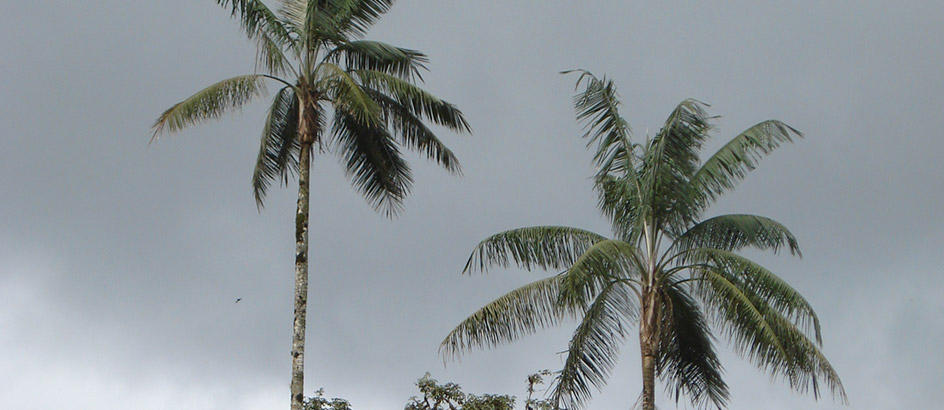
For eight years (2005 to 2013) with the financial contribution or several national and international institutions, the JBQ carried out the “Environmental education campaign for the conservation of wax palm or Sunday palm (Ceroxylon ventricosum), and the yellow-eared parrot (Ornorhynchus icteroctis)”. These two species are seriously threatened due to the indiscriminate logging of forests where they both live, and its intensive use, mainly in the “Palm Sunday” religious festival.

The main goal of this initiative was to inform and sensitize the population on the importance of these species in the surrounding ecosystem and reduce the pressure on them. During the years of the campaign several workshops were organized to provide productive alternatives and replace the use of the wax palm in this religious festival an inter-institutional workshop was also held with organizations involved in the conservation of the wax palm and, on Palm Sunday, collective masses in the facilities of the Quito Botanical Garden

Years: 2005, 2006, 2008, 2009, 2010, 2011 2012, 2013
Sponsors: Ecofondo, Jocotoco, USAID, the Nature Conservancy, Fundación Natura, Ecociencia, Quito Verde, Quito Turismo, Secretariat of Environment.

Heritage Trees

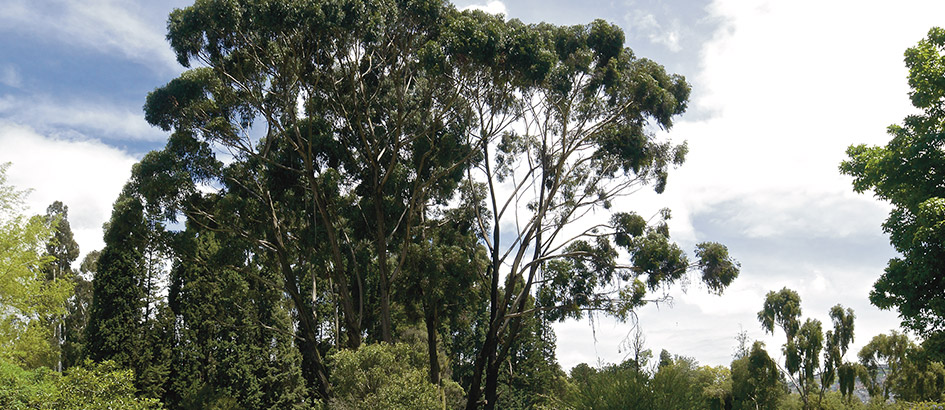
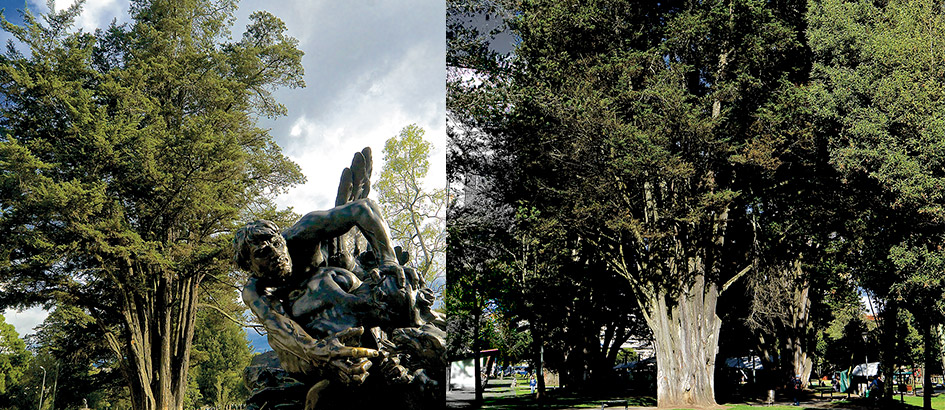
The main objective in the field of arboriculture has been to provide the Metropolitan District of Quito (DMQ) with periodic tree maintenance services in public spaces and has carried out 90% of the arboreal processes of giant, monumental and heritage trees in the city with the Municipality and private entities support.
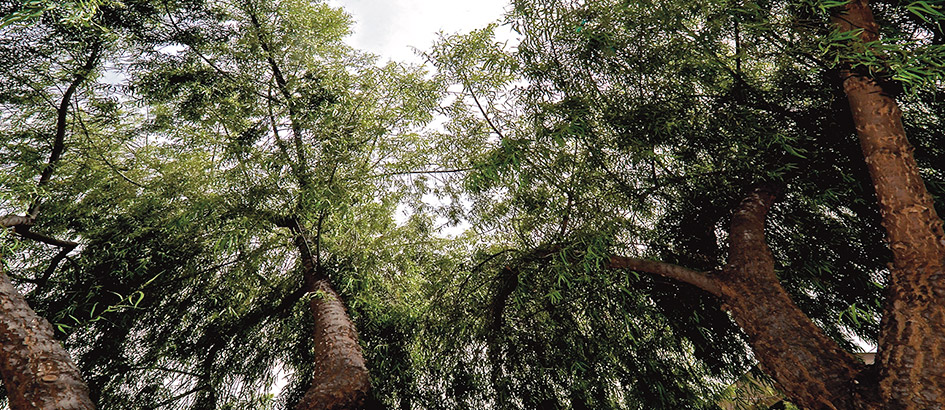
In 2006 the JBQ prepared the first inventory of the DMG Heritage Trees and cataloged the first 108 trees. In 2008, 202 heritage trees were included in the inventory. In 2014 a new declaration was made and the DMQ got a 353 specimens catalog; the Quito Botanical Garden provided these trees with maintenance, pruning, logging, and fumigation services, among others. From that year on the Secretariat of Environment is looking after this initiative.

Conversely, through an agreement signed in February 2015 with the Governing Council of the Special Regime Galápagos (CGG) and the support of the Directorate of the Galapagos National Park and the WWF, the JBQ carried out the Declaration project of 50 tree specimens, palm trees, native and endemic cacti from four islands in the Province of Galapagos, as heritage and emblematic specimens. The JBQ is proud to be a pioneer in carrying out the initiative of declaring the best specimens in the DMQ and Galapagos as well; a second achievement at national level.

The city of Ambato, capital of the province of Tungurahua, through the Municipal GAD (Municipal Decentralized Autonomous Governments), hired the FBA services in order to carry out a consultancy on the Declaration of 60 of the canton´s heritage trees, which ended in May 2018. This catalog includes photos, biometric and historical data of these specimens. The FBA also implemented cleaning, phytosanitary pruning, fumigation and fertilization work.

In four islands of the Galapagos archipelago and Ambato as well training workshops were held for those in charge of managing the trees regarding care and maintenance of heritage trees; these workshops which consisted of theory, practice and a demonstration of professional work and field trips, specially climbing and pruning were taught by the FBA technical group.

The purpose of having tree specimens declared as heritage and emblematic in the different cities and provinces of Ecuador is to encourage the community of each place to actively get involved in this important natural-cultural project through the appropriation of most important trees, palms and cacti in their environment so that they protect them and have these living monuments for what they are: true elements of the identity of the city or community where they are located.

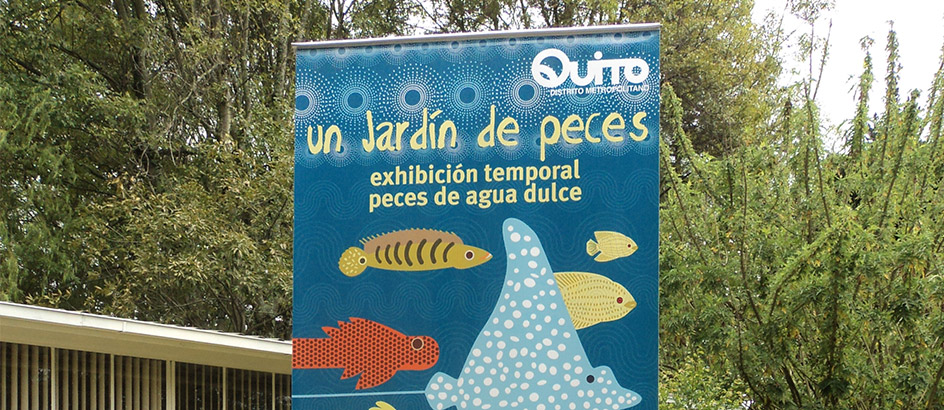
Temporary Exhibition “A Garden Of Fish”

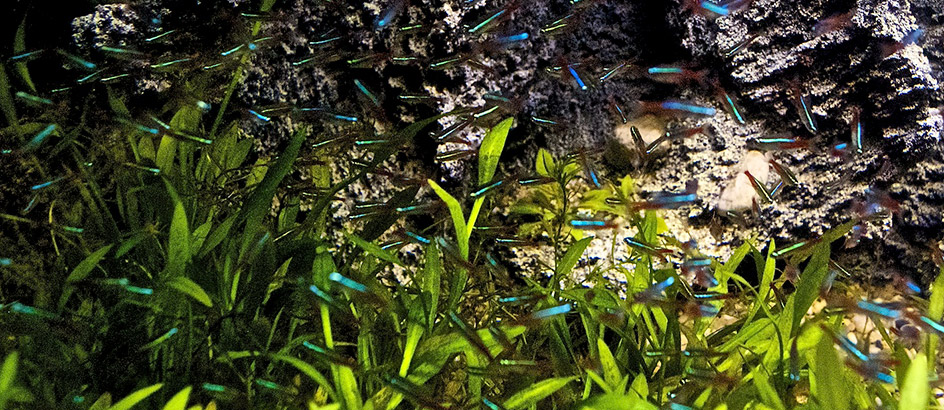
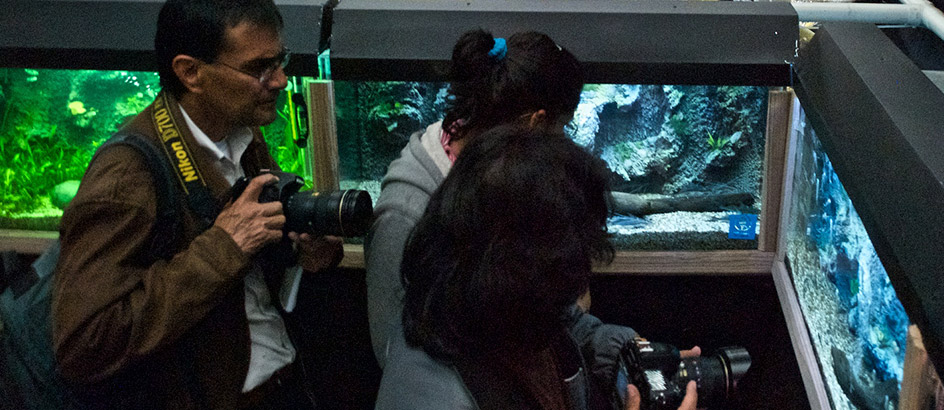
The temporary exhibition of Amazonian fish “A Garden of Fish” (November 2010 to February 2011) was the first of its kind to be held in Quito, it was developed as a way to disseminate the ichthyological treasure of the Amazon region, very little known to Ecuadorian. This exhibition constituted a new and attractive temporary space for massive tourist visits: about 30,000 people. This new and unprecedented exhibition presented 7,000 Amazonian fish, grouped into 40 species and exhibited in 60 aquariums.

To complete the exhibition, the “Workshop on Ecology, Distribution and Management of Captive Fishes” was held, which brought together key actors in the field of freshwater knowledge.

Orchid Exhibitions

In order to enrich the visit and maintain greater attendance, the JBQ has permanently offered high-quality temporary exhibitions, some of them with very attractive themes that have brought together a large number of audiences.

Among the most outstanding temporary exhibitions, the following can be mentioned:

  • In 2006 “A thousand and one orchids” carried out along with the Quito Orchid Association and several companies and associations from Ecuador, Colombia and Panama.
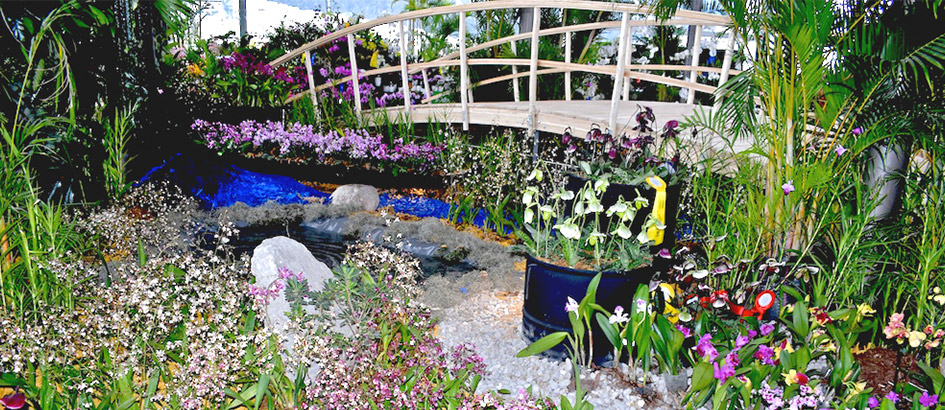
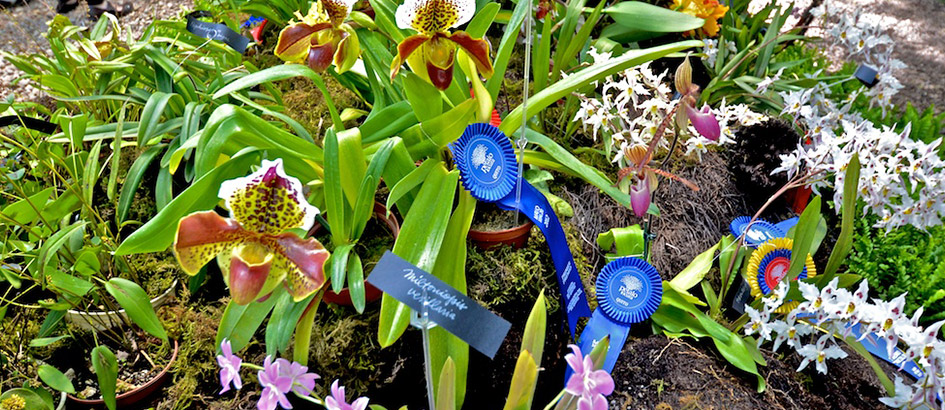
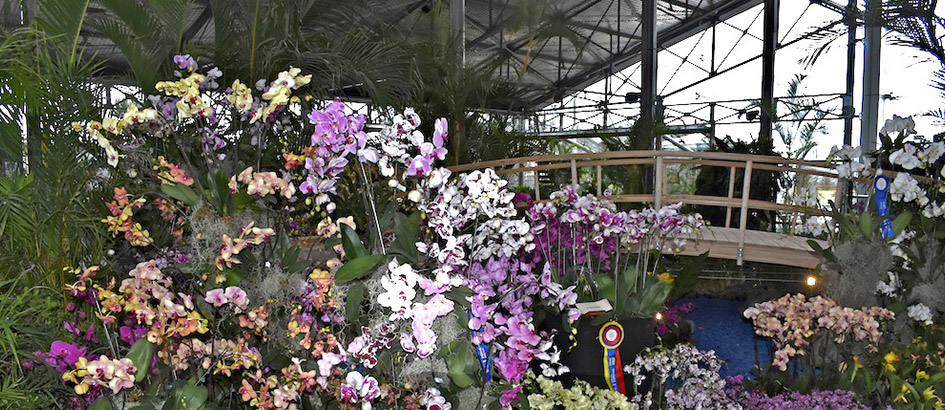
    From February 4 to 8, 2009, the FBA and the Quito Orchid Association carried out the “Universal Orchid Exhibition” at the Palacio de Cristal Itchimbía. This event was a big success with about 700 endemic species and other 1,000 varieties imported from Colombia, Costa Rica, the United States and Germany among other countries. It should be noted that a series of activities and round tables were simultaneously held on a variety of pertinent topics and the Third Scientific Conference on Andean Orchids was also carried out, in which 32 scientists worldwide were convened to present their research documents. 28,000 visitors attended the event the event, a resounding success!
    In 2012, the spirit of the existence of the orchid garden as a conservation center for the endemic species of orchids in Ecuador was relaunched with the inauguration of a majestic event: “Petal Madness” with the support and sponsorship of several institutions including the Quito Orchid Association, the Gardening Club of Quito and rose exporting companies.
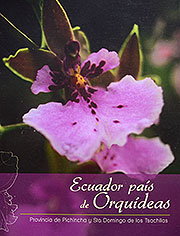
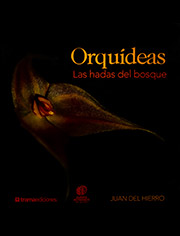
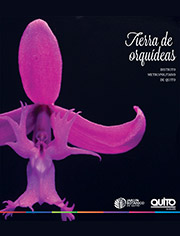
  • Thanks to the synergistic efforts of the Ministry of Tourism, GAD of Pichincha, the Mayor´s Office of the Metropolitan District of Quito and private companies, the “Orchids and Chocolate” exhibition was held in October 2015 to which 12 exhibitors of chocolates and cocoa derivatives as well as national and international orchid exhibitors attended. Likewise, at this event the following publications “Orchids of the Metropolitan District of Quito”, “Ecuador country of orchids” and “Conservation and Tourism Route of the Orchids of Pichincha” were launched.
  • In 2016, as a complement to the United Nations Habitat III World Congress, the Botanical Garden carried out the “BioDiverCity” exhibition which included the second edition of orchids and chocolate with the presence of orchid associations and commercial orchid growers.
  • In 2019 the 250th anniversary of the birth of Alexander von Humboldt was commemorated. The JBQ held several commemorative events, the most relevant being the 6th International Orchid Exhibition “Alexander von Humboldt” at the Palacio de Cristal Itchimbía from October 2 to 8. We counted with the participation of international entities such as the Colombian Orchid Association of Medellín, two orchid growing companies from Taiwan, the participation of national orchid associations from Pichincha, Azuay, the Municipality of Loja, and several private companies from all over the country. Plastic arts also were also present with watercolors of heritage orchids from the 24 provinces of Ecuador displayed by the Ecuadorian Orchid Association of Guayaquil and the exhibition of a series of botanical watercolors by Harry Zelenco and María Dolores Salgado. During this magnificent exhibition four new species of orchids related to the team that accompanied Humboldt on his expeditions in Ecuador were described. The species were classified and published in the Journal of the American Orchid Society as:
    Telipogon humboldtiana – H. Medina, J. Portilla / A. Hirtz
    Dichaea bonplandiana – H. Medina, J. Portilla / A. Hirtz
    Caucaea kunthiana – H. Medina, J. Portilla / A. Hirtz
    Telipogon montufariana - H. Medina, J. Portilla / A. Hirtz

Likewhise, the JBQ managed with Correos del Ecuador the issuance of 5 postal stamps with orchids.

The Vertical Garden Of San Blas

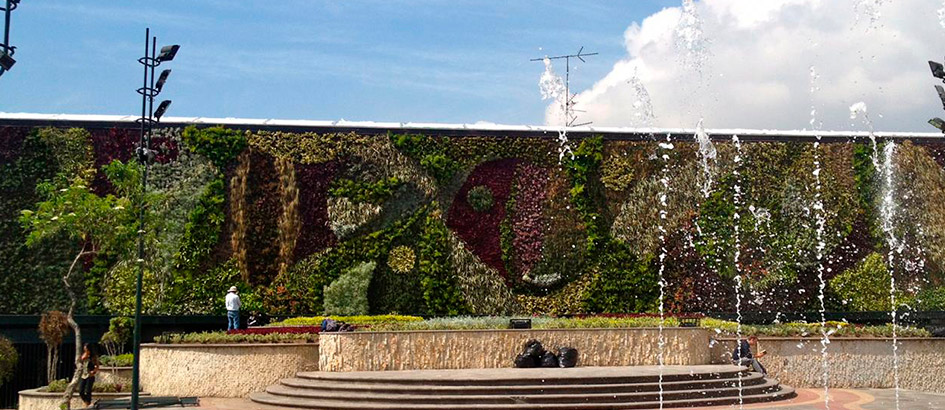
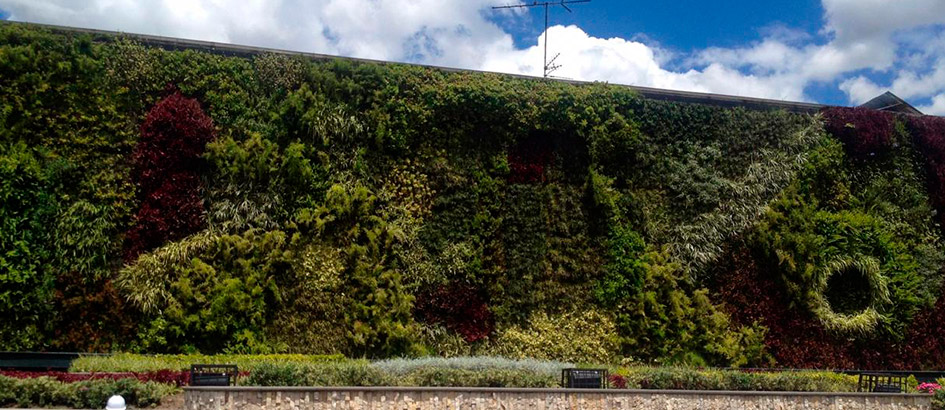
In 2012 the Quito Botanical Garden and the Metropolitan Heritage Institute (IMP) built one of the main gardens in Quito: the vertical garden of the Plaza de San Blas. This garden revolutionized and forever changed gardening concepts, creating surprising compositions loaded with plastic values, introducing plants and combining them in unusual ways, creating environments and visual scenarios of great richness. The design was created seeking harmony, expression, distinction and beauty.

Its importance is also given by its location. This is located at the so-called entrance door to the Historic Center of Quito.

This project was carried out by a group of enthusiastic group of gardeners, technicians, specialists and expert growers, who created a master piece through their knowledge, experience and skills on a more than 200 m2 area. In this unique garden one of the largest in the city built in a single body 20,000 different species of plants are grown: scancels, senecios, frangipanis, asparagus, liriopes, tradescantias, ajugas, ferns, ivies and chlorophytes among others.

Since its creation the JBQ has looked after this garden, so it has been able to overcome the threats of climate and environment pollution in the area.

Educational Program For The Responsible Use Of Water

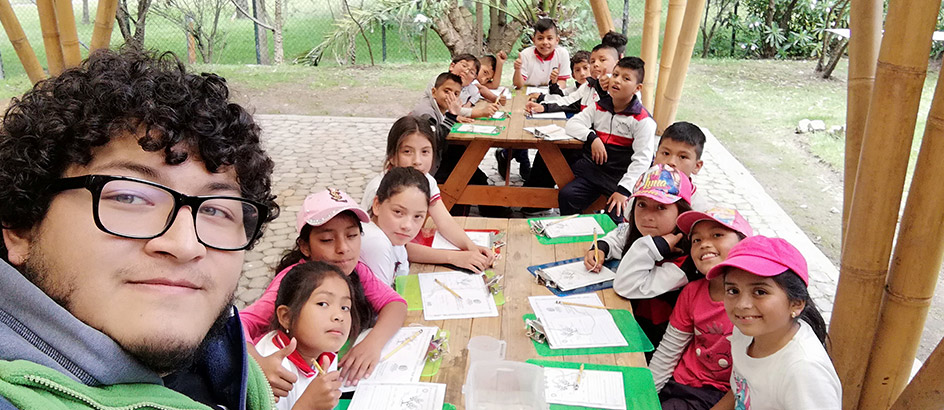
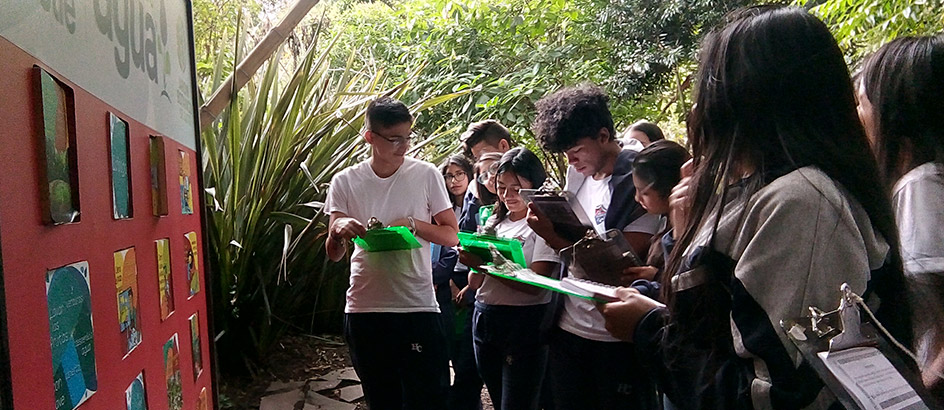
During these years, the Botanical Garden of Quito has carried out a high-impact educational program focused on conservation of the most precious resource in Nature: water.
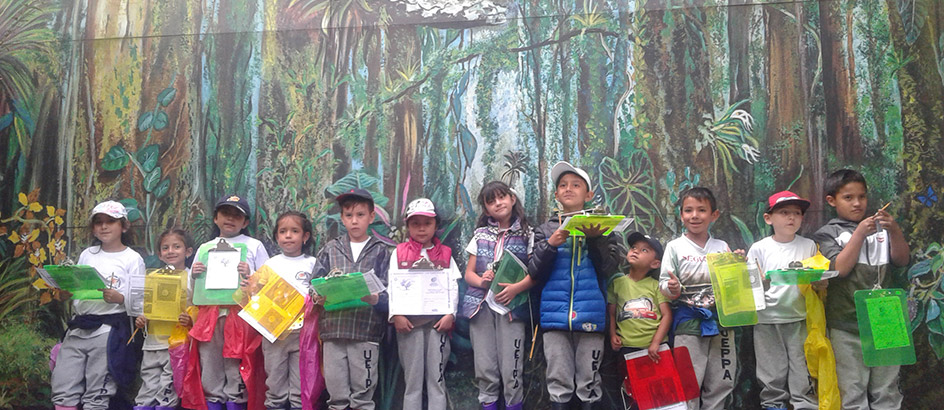
Thanks to its infrastructure, representation of ecosystems and gardens, ability to serve large groups, and qualified educational staff, for several years awareness programs have been developed for children and young people on the importance of conservation and good use of water.

The Metropolitan Public Company of Drinking Water and Sanitation (EPMAPS) and NESTLE have been the public and private sector companies that have trusted in the service provided by the Quito Botanical Garden during these years.

This program has benefited more than 45,000 students: basic education, high school students, university students, vacation camp groups and older adults.

Forest of Light

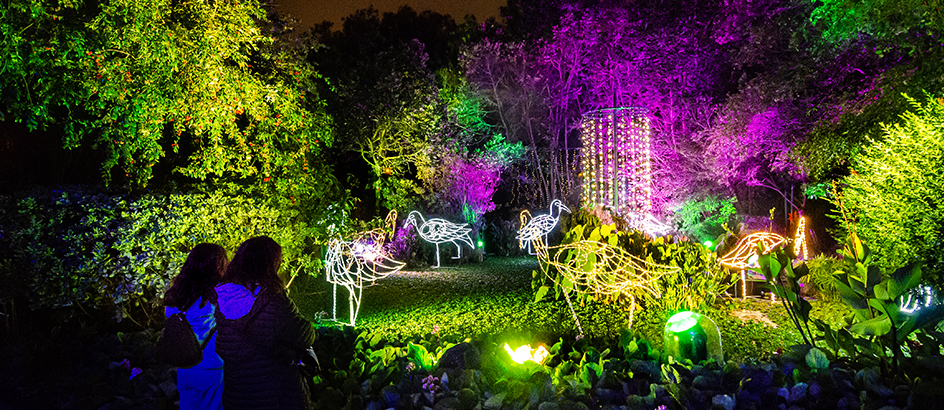
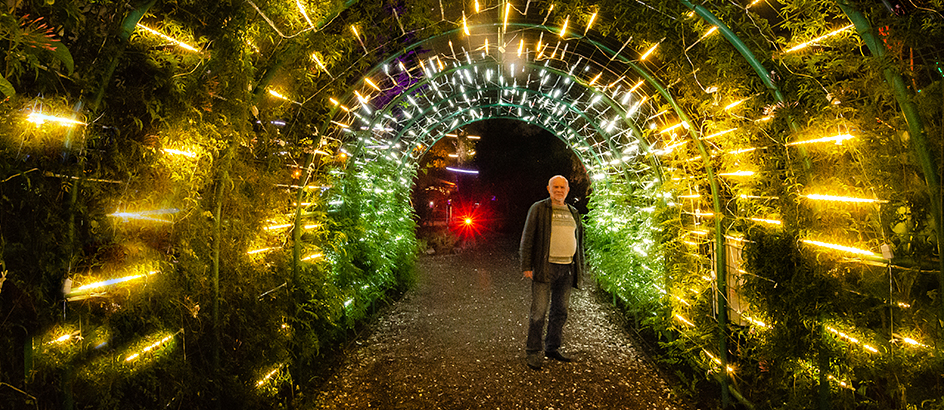
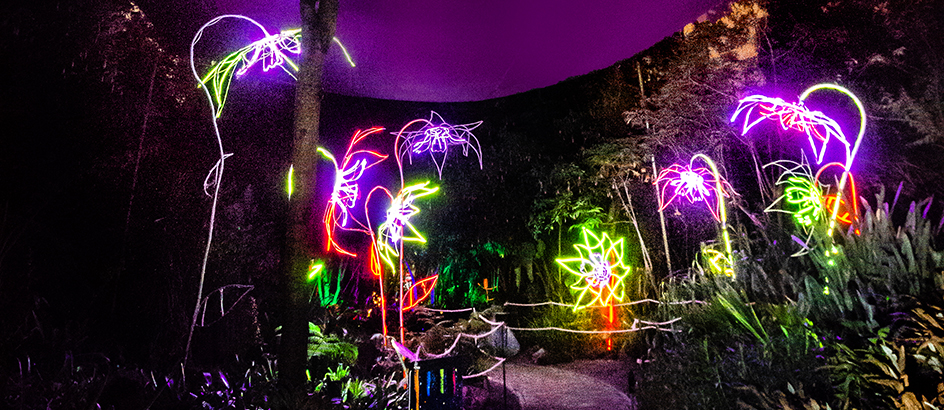
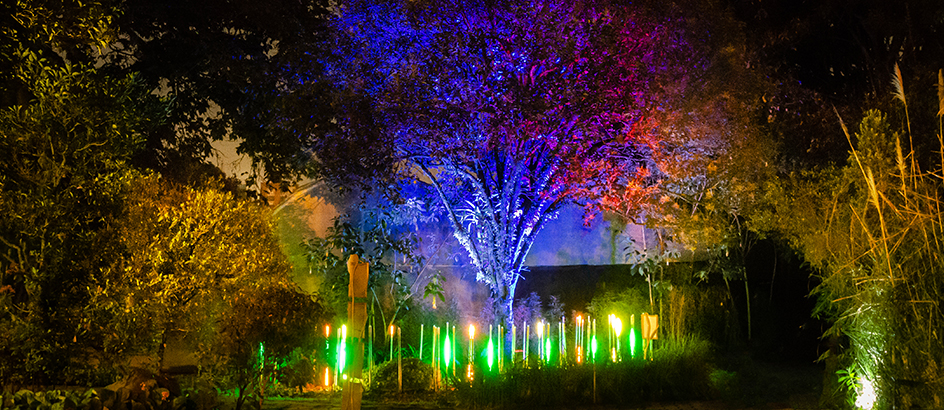
In the beautiful natural environment of the Quito Botanical Garden, a new high-tech project called Forest of Light was inaugurated in March 2019.

An immersive tour in which visitors were enchanted by seasons and could admire Ecuadorian flora under the fascinating effects of programmed lights accompanied by music. People were also able to change the lighting of the trees with their voice or their hugs; jump hopscotch, and enjoy color-changing light discs; take shelter under a tree from a rain of light that did not wet but illuminated; attend a concert among luminous flowers and plants from whose roots sprang light that climbed branches and filled leaves with shine, was what this unique spectacle offered.

An unprecedented, fascinating, bright, colorful experience that gave our city an ideal attraction for a special night. This project was carried out thanks to the Municipality of Quito and many private companies.